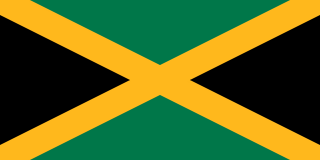
Sugar, and the people who refused it
The Spanish took the island from its Taíno inhabitants after 1494; Britain seized it in 1655 and turned it into one of the most profitable and most brutal sugar colonies in the empire, worked by hundreds of thousands of enslaved Africans under a death rate so high the population had to be constantly replenished by the trade.
From the start, some refused. The Maroons — communities of the self-freed, many of West and Central African origin — held the mountainous interior and fought the British to a standstill. The treaties of 1739 recognised Maroon autonomy and land, a rare thing anywhere in the slaveholding Americas. Their descendants at Accompong still mark the treaty each January. Slave revolts continued regardless — the Baptist War of 1831, led by the preacher Sam Sharpe, hastened the abolition that came in 1834.
Garvey, and a movement that crossed the Atlantic
Marcus Garvey, born in Jamaica in 1887, built the Universal Negro Improvement Association into the largest organised Black movement the world had yet seen, with millions of members across the diaspora and a programme of self-reliance, pride and return. He is Jamaica's first national hero, and his influence runs directly into Nkrumah, into the American civil rights movement, and into Rastafari.
Rastafari emerged in Jamaica in the 1930s, reading the coronation of Haile Selassie — Ras Tafari — as emperor of Ethiopia in 1930 as the fulfilment of Garvey's prophecy of an African king. It is a religion built on the diaspora's longing for Africa, and Ethiopia — the one African state never colonised — is its Zion. When Selassie visited Jamaica in 1966, the crowds were enormous.
The sound
Jamaican music moved from mento to ska to rocksteady to reggae in barely a decade, and reggae in the hands of Bob Marley became one of the few genuinely global popular musics not made in the United States. Marley's songs carried Rastafari, Garvey and the politics of the poor onto every continent. Dancehall followed, and the sound-system culture that invented remixing, the DJ and the toast fed directly into hip-hop.
For its size, Jamaica has shaped the sound of the modern world more than almost any nation on earth — and it did so from Trench Town, not from a boardroom. The Nyabinghi drumming under Rastafari, the DJ toasting over a rhythm, the dub engineer treating the mixing desk as an instrument — each was a working-class Kingston invention that the global music industry later monetised without much crediting where it came from.
Independent, and still counting the bill
Independence came on 6 August 1962, within the Commonwealth and with the British monarch still as head of state — a status Jamaica has signalled it means to end, moving towards a republic. The country's politics has been dominated by two parties and, in the 1970s and 1980s, marked by political violence and Cold War pressure.
Jamaica has been among the loudest Caribbean voices for reparations for slavery, pressing Britain directly and through CARICOM. It is a debate about money, but the argument underneath it — who owes what to whom for the wealth the sugar islands built — is one Ananse's readers on both sides of the Atlantic recognise.