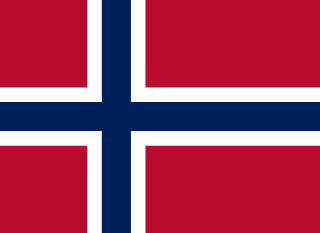
From poverty to the oil fund
For much of its history Norway was a poor land of fishermen and farmers, ruled from Denmark and then from Sweden until it won full independence peacefully in 1905 and installed a king. It stayed neutral in the First World War, was occupied by Nazi Germany in the Second, and joined NATO as a founder in 1949. Then, in 1969, it struck oil in the North Sea, and everything changed.
Norway managed the windfall with unusual discipline, channelling the proceeds into a sovereign wealth fund that now owns, on average, more than one per cent of every listed company in the world and underwrites one of the most generous welfare states anywhere. It twice rejected EU membership, in 1972 and 1994, preferring to stay inside the single market but outside the union.
Peace broker, donor, and a slight past
Norway's African connection is thin, and it is better to name it precisely than to inflate it. In the era of the slave trade Norway was joined to Denmark, and Danish-Norwegian ships and forts on the Gold Coast, at Christiansborg in today's Accra, took part in the Atlantic traffic; Norwegian sailors and merchants were part of that system even without a separate empire.
The modern relationship is one of diplomacy and money. Norway has made peace-brokering a national vocation, mediating in Sudan, South Sudan, the Sahel and elsewhere, and it channels a large share of its oil wealth into overseas aid and climate finance, including deals to protect African and other tropical forests. Its wealth fund, precisely because it owns a piece of everything, has become a closely watched ethical investor whose decisions to exclude companies over conduct in Africa and elsewhere carry real weight. It is a relationship of soft power and cheque-writing rather than of empire.
Fjords, equality and quiet wealth
Norway routinely tops rankings of human development and happiness, with a flat, egalitarian society, high taxes and a deep attachment to the outdoors. It leads the world in electric-car adoption even as it pumps the oil that made it rich, a contradiction its politics openly wrestles with. Jonas Gahr Støre has led a Labour-centred government since 2021, navigating energy, security and the awkward question of how a fossil-fuel giant should behave in a warming world.