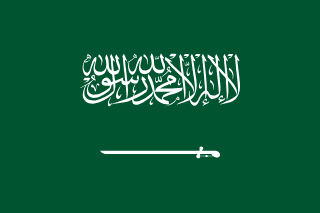
Islam, unification and oil
In the seventh century the Prophet Muhammad preached in Mecca and Medina, and Islam spread from Arabia across three continents. For centuries the peninsula was a patchwork of tribes and holy cities under distant empires. In the eighteenth century an alliance between the House of Saud and the reformist preacher Muhammad ibn Abd al-Wahhab laid the ideological foundation of the future state.
Abdulaziz ibn Saud reconquered the peninsula in a long campaign, proclaiming the Kingdom of Saudi Arabia in 1932. Six years later American geologists struck oil, and the kingdom went from poverty to among the richest states on earth, funding a strict religious establishment at home and abroad.
The pilgrimage road to West Africa
No connection between Arabia and Africa runs deeper than the Hajj. For more than a thousand years West African Muslims have journeyed to Mecca, and pilgrimage routes across the Sahara and the Sudan carried scholars, books and trade alongside the faithful. Some who set out never returned; communities of West African origin still live near the holy cities.
The most famous journey was Mansa Musa's. In 1324 the ruler of the Mali empire crossed to Mecca with an entourage so large and so laden with gold that his spending in Cairo is said to have depressed the value of gold there for years — the moment medieval Africa entered the imagination of the wider world. The pilgrimage remains a fixture of West African religious life, and Saudi Arabia also draws hundreds of thousands of African migrant workers, employed under conditions that have drawn repeated criticism.
Reform under an iron hand
Since 2017 the crown prince, Mohammed bin Salman, has pushed a Vision 2030 programme to diversify beyond oil, opening cinemas, allowing women to drive from 2018 and courting tourism and sport. The same period has seen intensified repression, the war in Yemen and the 2018 killing of the journalist Jamal Khashoggi in the Saudi consulate in Istanbul.
The kingdom remains an absolute monarchy with no elected parliament, where the law is based on a strict reading of Islam, even as it stages Formula One races and buys football clubs. It is the largest exporter of oil and a heavyweight of the Arab and Muslim worlds.