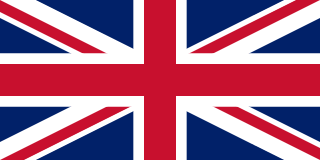
An island that became an empire
The land was Celtic, then Roman, then Anglo-Saxon and Norse; the Norman conquest of 1066 fused it into the kingdom of England. Wales was annexed by the thirteenth and sixteenth centuries, the crowns of England and Scotland joined in 1603, and the Acts of Union of 1707 created Great Britain. Ireland was added in 1801 and largely lost again in 1922. Parliament at Westminster, sitting since the medieval period, slowly stripped the monarch of real power, so that today the King reigns and the elected Commons rules.
From the seventeenth century the country turned outward. The Royal Navy, chartered companies and a genius for finance built the largest empire in history. The Industrial Revolution began here in the late eighteenth century, in Manchester's mills and the coalfields of Wales and the north, and remade the world's economy on British terms.
The empire's ledger, and Africa in it
Britain was the largest carrier of enslaved Africans across the Atlantic, trafficking an estimated three million people through Bristol, Liverpool and London before it abolished the trade in 1807 and slavery itself in 1833. The abolition came with a catch that Ananse readers should sit with: the £20 million paid in compensation went to slave OWNERS, not the enslaved, and was so large that British taxpayers only finished repaying the loan in 2015. On the continent, Britain drew the borders of Nigeria, Ghana, Kenya, Uganda, the Rhodesias and South Africa, crushed the Mau Mau in the 1950s, and left an English-speaking Commonwealth of 56 states behind.
The reckoning is physical. The Benin Bronzes, looted in the 1897 punitive expedition, sit in the British Museum alongside the Parthenon Marbles taken from Greece, and the Museum still refuses to give either back. The Windrush generation who came from the Caribbean from 1948 to rebuild post-war Britain were, in 2018, revealed to have been wrongly detained and deported by their own government. Notting Hill Carnival, Britain's largest street festival, and artists from Stormzy to Steve McQueen are the answer Black Britain gave to all of it.
The modern state
The UK left the European Union in 2020 after the 2016 Brexit referendum, a rupture still working through its economy and its politics. Scotland came within a few points of independence in 2014 and has not stopped asking. Labour returned to power in July 2024 under Keir Starmer after fourteen years of Conservative government. London remains one of the world's two or three great financial centres, and the City's money, like the museums' marbles, keeps the imperial past close to the present.